Home Safety Indoor Air Quality & Home Comfort

If you were asked about the key factors that affect home comfort, you’d likely say temperature has the biggest impact. Controlling the ambient temperature does play a large role, but other factors like indoor air quality and humidity also contribute to the comfort level in your home.
One of the biggest ways to make your home more comfortable is to optimize your indoor environment and improve the air quality. Here, we’ll explore why indoor air quality plays such a key role in home comfort, learn about common contaminants and their impact, and outline ten steps you can take to start reducing pollutant levels so you can breathe easier in your indoor spaces.
You may not think you’re a homebody, but chances are, you spend more time inside than you think. In fact, the U.S. Environmental Protection Agency (EPA) has found that Americans spend, on average, 90% of their time indoors. That means that the air you breathe inside is pretty important. And yet, those same studies show that many pollutants and airborne contaminants are 2-5 times more concentrated inside than they are outside.
Those statistics are frightening enough, but the World Health Organization (WHO) also reports that over 3 million people die every year due to illness or injury caused by indoor air pollution, making it a huge threat to public health. In many homes, a combination of heavy fossil fuel dependence, high emissions, and poor ventilation creates a dangerous mix. The bottom line is this: having access to clean air in our indoor environments is critical to our health and well-being, and yes, to our comfort as well.
That’s because most of the steps you’ll need to take to improve your indoor air quality will also make your home HVAC system heat and cool more efficiently, so you’ll feel more comfortable in your home while breathing cleaner air.
So, what are the worst offenders when it comes to indoor contaminants and particulate matter? Here are the most common sources of indoor air pollution:
As mentioned previously, indoor air pollutants can be life-threatening, especially after years of exposure. But indoor contaminants can have other impacts on an individual’s health and well-being. It’s important to know the signs and symptoms associated with indoor air pollution and the consequences of long-term exposure and health risks for the people living in your home.
Certain demographics are more at-risk for health issues caused by indoor air pollution. These include:
If you’re wondering whether you or someone in your family is experiencing symptoms caused by indoor air pollution, you can reference this checklist. While these symptoms are common among many illnesses and conditions, if multiple building occupants are experiencing the same things, or primarily only notice them when they’re in the building, it could indicate an issue with indoor air quality (IAQ).
Many of the symptoms listed above are short-term symptoms of indoor air pollution and can feel like a minor irritation that improves when you leave the environment. But long-term conditions, like cardiovascular disease, COPD, or mold-related respiratory illnesses, can have a catastrophic impact on a person’s health.
If you have concerns about the pollutant levels in your home, there are many steps you can take to improve the indoor air quality so you and your family can benefit from fresh air and a more comfortable home.
You can buy radon test kits at most home improvement stores, or you can order one from your state health department. You will need to leave the test in the lowest level of your home for a minimum of 48 hours, then mail it in for analysis. You can also opt for a long-term test that covers 90 days for a more accurate and comprehensive perspective. Mitigation isn’t recommended unless the test result is 4.0pCi/L or higher. If your first test comes back high, do another one to confirm before starting mitigation.
Moisture in the air can have a dramatic impact on home comfort. When the weather is hot and muggy, your home can quickly become sticky and uncomfortable if the cooling equipment isn’t able to dehumidify it properly. In the winter, when there’s less moisture in the air, it can be difficult to keep the space warm and cozy. Controlling humidity can also help prevent the development of mold and mildew, and will contribute to improved air quality throughout the home.
Secondhand smoke contains formaldehyde and other toxic chemicals that are especially dangerous to the vulnerable populations mentioned above. Additionally, smoking inside allows smoke particles to attach to various surfaces, especially carpet, curtains, couches, and anything fabric. This means the contaminants linger in the home and impact anyone who touches or comes near those surfaces.
Proper ventilation systems are critical to improving the indoor air quality in your home. You can also use the home’s exhaust fans, especially in the kitchen and bathroom, to vent air to the outside and remove moisture and contaminants from the air inside. This also reduces humidity in certain areas of the home and can prevent the growth of mold and mildew.
Homes with wall-to-wall carpeting can trap a lot of particulate matter and other contaminants in those fibers. Area rugs are also major offenders. Vacuum regularly, at least once a week, and use a vacuum cleaner with a HEPA filter to ensure you filter out as many contaminents as possible, rather than simply blowing them back into the room.
Strip beds and wash the linens on every bed in the home at least once a week, and make sure you wash everything in a hot water cycle. This will remove pollutants and allergens like dust mites, which are a major cause of indoor air quality symptoms and allergic reactions.
Even a minor leak can cause a major problem if it isn’t fixed right away. Small leaks can lead to mold growth, which can cause serious illness if not remediated. Fix any water leaks you identify within 24-48 hours to ensure mildew and mold won’t have an opportunity to grow.
Check the cleaning products, paints, and glues you buy to make sure they are low-VOC. Many manufacturers are offering alternative products that remove some of the toxic chemicals and are a much healthier choice for most households. Remember that furniture can also contain VOCs, so if you’re purchasing a large item or set, check with the furniture store and ask where and how the pieces were manufactured. You can also request a Material Safety Data Sheet from the manufacturer, if available.
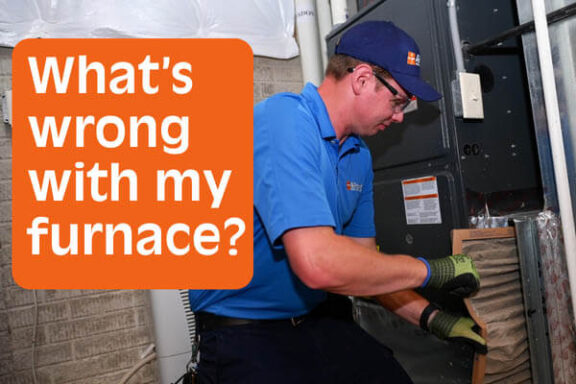
Replacing the air filter in your HVAC system is one of the best steps you can take to help it run more efficiently and lengthen its lifespan. It’s also one of the best ways to keep particulate matter and other contaminants out of your home. Air filters should be replaced every 1-3 months for proper airflow and management of indoor air quality.
Carbon monoxide can build up in any home that uses natural gas or any combustible fuel. You should have a working carbon monoxide detector on every floor of your home, including the basement. CO monitors should be located centrally or closer to the bedrooms. Basements and attached garages should also have a detector. Replace the batteries once a year, and be sure to regularly test them to ensure they’re working.
Maintaining a comfortable and healthy home environment involves keeping all the above factors in check. First, make sure the heating and cooling equipment is properly sized for your home. If there are seasonal humidity issues, consider having a humidifier or dehumidifier added to the HVAC system. To maintain good indoor air quality, keep all combustion devices professionally maintained. Ensure there’s adequate ventilation as well, and investigate whole-house air cleaners that can significantly reduce pollutant levels.
If you notice that any symptoms that may be related to indoor air pollution are worsening, it’s time to ask for help from a qualified HVAC technician. Additionally, if you notice any unusual odors or noises from your HVAC units, turn them off and wait for a professional. An HVAC pro can tell you how your heating and cooling systems are performing and keep an eye out for any issues that could lead to poor air quality.
You can keep your family healthy and breathe easier when you trust Airtron as your partner in keeping your home comfortable and safe, no matter the season. Check out our Essential HomeCare packages to start an ongoing HVAC maintenance plan to keep your indoor air clean and clear throughout the year.