Home Safety Indoor Air Quality & Home Comfort
You lock the doors, check the windows, and make sure your family is safe inside your home. But what about the air they’re breathing? From dust mites hiding in carpets to irritants released by everyday cleaning products, your home’s air might not be as clean as you think.
That’s why understanding how indoor air quality affects your health is an important part of keeping your home not just tidy, but truly safe.
Indoor air quality (IAQ) simply refers to how clean and “fresh” the air is inside your home and other indoor environments. It’s shaped by everyday factors like ventilation, humidity levels, and the presence of pollutants and allergens. When airflow is limited or filters go unchanged, irritants can build up and quietly affect the way you feel. But maintaining clean indoor air protects your family’s well-being and helps prevent long-term health problems that can develop from constant exposure to poor air quality.
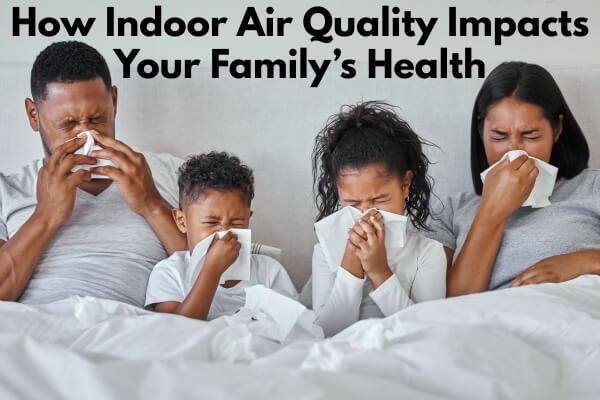
According to the Environmental Protection Agency (EPA), Americans spend about 90% of their time indoors, making IAQ a significant public health concern. Poor indoor air quality can worsen allergies, trigger asthma attacks, and even affect how well your family sleeps at night. Children, elderly family members, and anyone with chronic health conditions are especially vulnerable to these invisible threats.
Short-term exposure to indoor air pollutants can cause headaches, fatigue, eye and throat irritation, and aggravate existing respiratory issues. However, according to the EPA, long-term exposure can cause health risks like respiratory diseases, heart disease, and even lung diseases like COPD.
Radon alone is responsible for approximately 21,000 lung cancer deaths annually in the United States, making it the second leading cause of lung cancer after tobacco smoke.
Indoor air pollution comes from surprisingly ordinary sources that you probably encounter daily. The EPA has a wealth of resources to help homeowners understand various indoor air pollutants, but here’s a list of the most common ones:
The silver lining is that improving your indoor air doesn’t require a complete home makeover. More often than not, properly maintaining your HVAC system and making a few strategic changes is all it takes to keep your family healthy and happy.
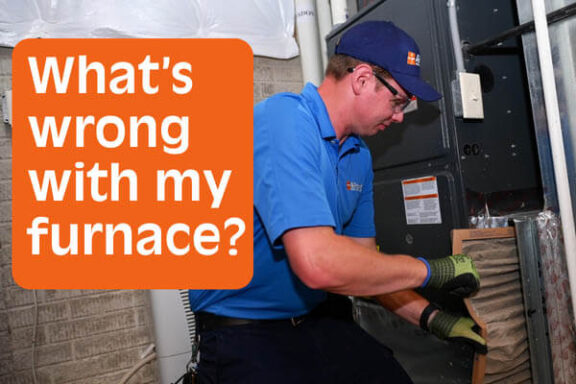
When properly maintained, your HVAC system is your first line of defense against indoor air pollutants. Every time your heating or air conditioning runs, it pulls air through filters designed to capture dust and other contaminants before circulating clean air back into your living spaces.
Choosing high-quality filters is one of the best things you can do to optimize this process. Standard filters might catch larger particles but allow smaller, more harmful ones to pass through. Having your HVAC system running well, with top-tier filters in place, will help purify your air and reduce airborne contaminants and irritants.
On the other hand, unmaintained or neglected HVAC systems can become a distributor of contaminated air. Dirty, clogged filters are less effective and force your system to work harder while capturing fewer contaminants. Ductwork can accumulate years of dust, mold spores, and other pollutants that will get blown into your rooms whenever the system runs.
Upgrading your filters, installing UV germicidal lights that kill bacteria and viruses, or adding air purifiers like iWave and Micropure can significantly improve your HVAC system. Even purchasing air-purifying houseplants can make a difference to human health and well-being. With the right elements in place, you’ll be able to capture even microscopic particles while preventing the buildup of gases, emissions, and chemicals that come from cooking, cleaning, and daily activities.
Taking control of your home’s air quality doesn’t have to be overwhelming. Here are practical steps you can implement right away:
Breathing cleaner air at home creates immediate and long-lasting benefits for you and your entire family. When air pollutants are reduced, your family may experience better sleep, fewer allergy symptoms, less frequent asthma attacks, and decreased respiratory infections, which means fewer sick days and doctor visits. Clean air also supports better concentration and cognitive function, which is particularly important for children doing homework and adults working from home.
According to the National Institutes of Health, reducing exposure to indoor air pollutants is a major factor in lowering your risk of respiratory diseases, cardiovascular disease, and other serious health problems. With the quality of your sleep, daily wellness, and long-term health all in play, cleaner air is the clearest choice.
Your family deserves to breathe clean, healthy air in the place where you spend most of your time — your home. While outdoor air pollution and environmental health concerns might feel out of your control, the air quality inside your house is something you actually can improve. Don’t wait until allergies worsen or asthma symptoms become unmanageable to address your IAQ.
The most important thing you can do to improve your IAQ is to keep your heating and cooling systems clean and going strong. Contact Airtron to schedule your HVAC maintenance today. We’ll help you create a healthier living environment where your family can truly breathe easier.