Energy Efficiency & Cost Savings, Heating Systems, HVAC Services & Maintenance
Opening your heating bill during the colder months can feel like being robbed. And despite their efforts to use heat only when necessary, many homeowners are left wondering why their heating bills are so high, without realizing they’re wasting energy and money through common heating mistakes.
From setting the thermostat too high to skipping seasonal maintenance, small mistakes can really add up to higher utility bills. Luckily, most of these mistakes are completely avoidable. This guide will walk you through the most common heating mistakes homeowners make and offer practical, energy-saving tips that can help you stay warm without breaking the bank.
Of course, you want to stay warm during those frigid winter months, but doing so efficiently can improve your HVAC system’s longevity and ease the strain on your wallet. Your heating habits, energy bills, and equipment performance are all intertwined, and understanding how can help you make smarter choices throughout the colder months.
Heating typically accounts for a large portion of utility costs, especially during cold snaps when your system runs nearly nonstop. According to the U.S. Department of Energy, space heating represents about 45% of energy bills in a typical home, the largest single contributing factor. It’s no wonder then that inefficient heating practices can send your gas or electric bill through the roof.
Small bad habits can noticeably increase your energy use without you even realizing it. Something as simple as setting your thermostat a few degrees too high or forgetting to replace air filters might seem insignificant, but these oversights force your heating system to work harder and consume more energy.
Over time, these small things add up to big increases in your monthly bill and unnecessary wear on your HVAC system.
There are seven common mistakes that many homeowners make when trying to stay warm. Each of these mistakes contributes to higher energy use, but can be corrected with small changes to your home habits.
Your heating system works at the same pace regardless of how high you set the temperature. Cranking your thermostat settings to 75 or 80 degrees won’t heat your home any faster; it only forces your furnace or heat pump to run longer and waste energy. This longer runtime translates directly into increased energy costs and more wear on your equipment.
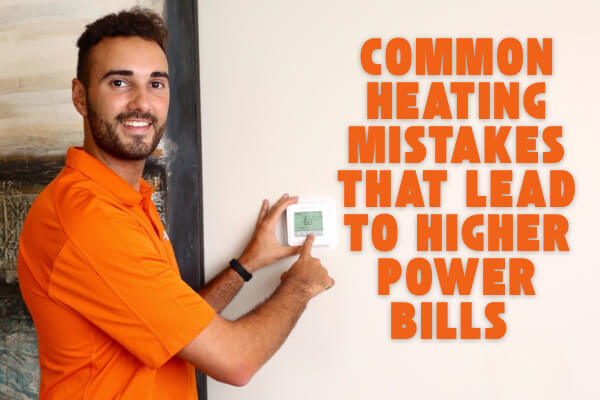
Set your thermostat to a comfortable temperature around 68-70 degrees when you’re home, and lower it by 7-10 degrees when you’re sleeping or away. Better yet, invest in a programmable thermostat or smart thermostat that automatically adjusts the temperature based on your schedule.
Skipping seasonal tune-ups allows dust to build up and worn-out parts to go unnoticed. Without regular maintenance, your furnace or heat pump has to work significantly harder to produce the same amount of warm air.
Plan ahead and schedule a professional tune-up before the heating season begins to keep your system running smoothly. Trained technicians can fix small issues before they become big problems, give your system a good cleaning, and make any other adjustments that optimize your system’s energy consumption.
Dirty air filters restrict airflow, forcing your heating system to work harder to circulate warm air throughout your living space. When filters become clogged with dust, pet hair, and debris, your system needs to run longer to maintain any given temperature, which wastes energy and money with every cycle.
Replace your air filters every 1-3 months, or more frequently if you have pets, allergies, or notice reduced airflow from your vents. Clean filters allow your HVAC system to operate efficiently, improve indoor air quality, and prevent unnecessary strain on your system.
Shutting vents in unused rooms might seem like a good way to save energy, but it actually throws off the air pressure within your ductwork and strains your system. Your HVAC system was designed to heat a specific square footage, and closing vents disrupts this balance, causing uneven heating, increased energy use, and potential damage to your equipment. Blocking air returns with furniture or rugs also prevents proper circulation and forces your system to work overtime.
Keep all vents open throughout your home and make sure furniture, curtains, and rugs aren’t obstructing the air returns. If you want to avoid heating certain areas, consider installing a zoning system that allows you to control temperatures in different areas without disrupting your system’s balance.
While you shouldn’t shut off the vents in unused rooms, you shouldn’t have to heat them either. Heating guest rooms, storage areas, or other unused spaces means you’re paying to warm areas for no one. This inefficiency becomes particularly expensive in larger homes during the colder months.
Use zoning systems or programmable thermostats to direct heat only where it’s needed, when it’s needed. These devices let you set different temperatures for different areas and different times of day, so you can keep your main living space comfortable while reducing energy usage elsewhere.
Tiny gaps around windows and doors, combined with poor insulation in your attic or walls, make warm air leak out of your home at alarming rates. To combat this, your HVAC system will work harder to produce more warm air, which escapes just as quickly, essentially sending your hard-earned money straight out into the cold.
Seal your windows and doors with weatherstripping and caulking. Then, replace old or insufficient insulation with the recommended R-values for your climate. If you can’t tell where the heat is escaping, schedule a home energy audit to identify hidden leaks throughout your home.
Holding onto an outdated furnace might seem like you’re saving money, but older systems often operate much less efficiently — sometimes as low as 56% compared to their brand-new counterparts. An aging heating system consumes significantly more natural gas or electricity to produce the same amount of heat, meaning you’re paying considerably more every month for the same level of comfort.
When your furnace is 15-20 years old or requires frequent repairs, consider upgrading to an ENERGY STAR model for long-term energy and cost savings. Check the EnergyGuide label when shopping to compare each product, and ask the store about available rebates that can offset the initial price.
In addition to avoiding common mistakes, there are proactive steps you can take to improve your home’s heating efficiency, extend your system’s lifespan, and keep your energy bills well under control.
Professional technicians, like our team at Airtron, can catch small problems before they escalate into energy-wasting issues or expensive emergencies. Regular tune-ups include cleaning and repairs, checking refrigerant levels, testing safety components, and optimizing your system’s settings for maximum efficiency.
Staying on top of your HVAC maintenance once or twice a year is better than receiving high bills from your utility company every single month.
Use a smart thermostat to schedule heating use based on when you’re actually home and awake. Lowering your heat whenever you’re asleep, at work, or out of town can add up to significant savings on your heating bill. These devices also provide energy usage data that helps you understand your consumption patterns and how to improve them.
Upgrading your home’s insulation will prevent heat loss, making it easier to maintain a comfortable temperature while using less energy. Proper insulation in your attic, walls, and basement creates a barrier that keeps your home warm in the winter and cool in the summer.
Leaky or poorly insulated ductwork loses about 20% of the heated air that passes through it. Gaps, holes, or disconnected sections in your ductwork allow warm air to escape into attics, crawl spaces, or wall cavities where it doesn’t do you any good.
Having your ductwork professionally inspected, sealed, and insulated can dramatically minimize energy loss in ducts and lower your heating costs.
Recognizing when your heating system isn’t operating efficiently can help you address problems before they result in shockingly high energy bills. Watch for these telltale signs that your system might be costing you more than it should:
If you notice any of these signs or others, consult Airtron’s troubleshooting checklist or schedule a professional inspection to make sure your HVAC system keeps running as smoothly as possible.
Knowing why your heating bill runs high is the first step toward taking control of your energy costs. At Airtron, we’re committed to helping homeowners maintain efficient, reliable heating systems that keep you comfortable without wasting energy or money.
Whether you need a seasonal tune-up, heating and air conditioner maintenance plan, or expert advice on upgrading to a more energy-efficient system, our experienced technicians are ready to help.
Don’t let another winter drain your wallet. Schedule a service with Airtron and start enjoying lower energy bills while staying warm and comfortable all season long.